Community Living
Building Connections and a Better Way of Life
More Than Just a Place to Live:
A home is not defined only by its walls, rooms, or architectural design. The people around us, the neighbourhood we belong to, and the environment we experience every day also play an important role in shaping our lifestyle. This is the essence of community living—a way of life that brings individual homes together with shared spaces, common facilities, social connections, and a sense of belonging.
Modern homebuyers increasingly look beyond the property itself. They want neighbourhoods where families can enjoy outdoor activities, children have suitable spaces to play, professionals can access everyday conveniences, and residents have opportunities to interact with one another. A well-planned residential community can combine privacy with shared experiences, allowing residents to enjoy their personal space while benefiting from a connected neighbourhood.
At Nestora, we believe that choosing a home also means choosing the environment in which you want to live. Whether you prefer a gated residential community, a contemporary apartment complex, or a thoughtfully designed neighbourhood, the right surroundings can make everyday life more convenient, comfortable, and meaningful.
1. What Is Community Living?
Community living refers to a residential lifestyle in which people live within a shared neighbourhood or development and may have access to common facilities, open spaces, and organised community activities.
It can be experienced in apartment complexes, gated communities, villa developments, planned residential townships, and other neighbourhoods designed around shared amenities. Depending on the development, residents may share landscaped gardens, walking paths, recreational areas, fitness facilities, clubhouses, or community halls.
However, community living is not only about amenities. It also involves respecting neighbours, maintaining shared spaces, communicating responsibly, and contributing to a pleasant residential environment.
A successful community balances individual privacy with opportunities for interaction. Residents can enjoy their own homes while choosing when and how they participate in shared activities.
Lifestyle benefit: Community living can combine personal independence with access to shared spaces and opportunities to develop meaningful neighbourhood connections.
2. Building Meaningful Relationships With Neighbours
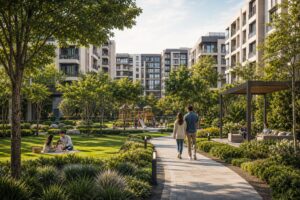
One of the most valuable aspects of community living is the opportunity to build relationships with people nearby. Friendly neighbours can make a residential area feel more welcoming and create a stronger sense of belonging.
Simple everyday interactions, such as greeting neighbours, participating in community events, or spending time in shared gardens, can help people become familiar with one another. Over time, these connections may develop into friendships and informal support networks.
Community events such as cultural celebrations, festive gatherings, hobby groups, and weekend activities can bring residents together. Participation should always be voluntary, allowing everyone to enjoy their preferred level of social interaction.
For people moving to a new city or purchasing their first home, a welcoming neighbourhood can make the transition feel easier.
Lifestyle benefit: Positive neighbourly relationships can help residents feel more connected to their surroundings and more comfortable in their community.
3. Safe and Family-Friendly Environments

For families, the surrounding residential environment is an important part of choosing a home. A thoughtfully managed community may provide features such as controlled entry points, adequate common-area lighting, security personnel, CCTV systems, and clearly defined visitor procedures.
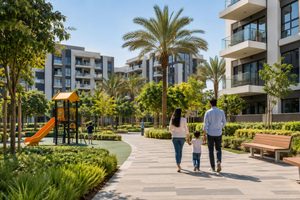
Families may also appreciate designated play areas, open lawns, walking paths, and spaces where children can participate in supervised recreational activities. The availability and quality of these facilities depend on the individual development.
When evaluating a residential community, buyers should ask about security arrangements, emergency procedures, visitor access, maintenance responsibilities, and the management of shared facilities.
It is also important to remember that security features cannot guarantee complete safety. Residents should review the actual arrangements and understand how the community responds to emergencies.
Lifestyle benefit: Suitable shared facilities and well-managed security arrangements can contribute to a more comfortable residential environment for households.
4. Shared Amenities That Enhance Everyday Living
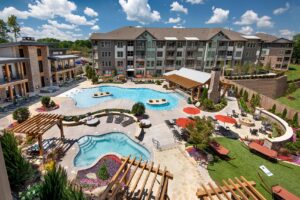
Modern residential developments may offer amenities designed to support recreation, fitness, relaxation, and social interaction. These facilities can make everyday activities more convenient without requiring residents to travel far from home.
Common amenities may include:
-
Landscaped gardens: Spaces for relaxing, reading, or enjoying the outdoors.
-
Walking and jogging tracks: Dedicated paths for regular physical activity.
-
Fitness centres: Convenient access to exercise equipment, where available.
-
Clubhouses and community halls: Venues for gatherings, celebrations, and organised activities.
-
Children’s play areas: Dedicated spaces for age-appropriate play.
-
Swimming pools and sports courts: Recreational options in developments that provide them.
-
Seating and relaxation zones: Shared areas where residents can spend time outdoors.
Before choosing a property, check which amenities are actually available, their operating hours, accessibility, maintenance standards, and any additional fees.
An impressive amenity list is not always the best indicator of value. The most useful facilities are those that match your lifestyle and are properly maintained.
Lifestyle benefit: Well-maintained amenities can provide convenient opportunities for recreation, relaxation, and social interaction.
5. Green Spaces and a Connection With Nature
Green spaces can play an important role in creating a pleasant residential environment. Trees, gardens, lawns, and landscaped pathways can soften the appearance of buildings and provide welcoming places for outdoor activities.
Residents may use shared gardens for a morning walk, enjoy a quiet break after work, or spend time outdoors with family and friends. Green areas can also create opportunities for gardening activities and neighbourhood events.
When evaluating a community, look beyond attractive photographs. Consider the actual size of the green spaces, the amount of shade, the condition of the landscaping, accessibility, and how regularly the areas are maintained.
Water-efficient landscaping, suitable native plants, and responsible garden maintenance can also support more sustainable residential environments.
Lifestyle benefit: Accessible green spaces can encourage outdoor activity, relaxation, and a stronger connection with nature.
6. Community Living for Working Professionals
For working professionals, a residential community can offer a balance between convenience, privacy, and leisure. Developments located near business districts, transport links, shopping areas, and essential services may help reduce the time required for everyday travel.
Some residential communities also provide shared workspaces, quiet seating areas, fitness facilities, or recreational amenities. These features may be useful for people with busy schedules or hybrid working arrangements.
However, location remains an important consideration. Buyers should assess commute times during peak hours, access to public transport, road connectivity, internet availability, and the neighbourhood’s noise levels.
Professionals should also consider whether the community offers the right balance between social activity and quiet personal space.
Lifestyle benefit: A well-located and thoughtfully managed community can support a more convenient daily routine and provide opportunities to unwind after work.
7. Celebrating Culture, Festivals, and Community Events
Community living can create opportunities for residents to celebrate important occasions together. Festivals, seasonal gatherings, cultural programmes, sports events, and children’s activities can bring people with different interests and backgrounds together.
These gatherings may help residents become more familiar with their neighbours and create shared memories. Community spaces can also support book clubs, hobby groups, wellness sessions, and other voluntary activities.
A welcoming community respects different traditions, personal preferences, and schedules. Clear communication and considerate planning help ensure that shared events remain enjoyable for a broad range of residents.
Not every resident needs to participate in every activity. A healthy community allows people to engage at their own comfort level while respecting the choices of others.
Lifestyle benefit: Shared activities can create opportunities for connection, cultural exchange, and a stronger sense of neighbourhood identity.
8. Maintaining Privacy While Enjoying Community Life
Community living does not mean giving up personal space. A well-designed residential environment should allow residents to enjoy their homes privately while using shared facilities whenever they choose.
The design of entrances, balconies, windows, gardens, and common areas can influence how much privacy a property provides. Sound insulation, sensible building layouts, and clear community rules can also contribute to a more comfortable experience.
Residents can help maintain a respectful environment by managing noise, keeping shared areas clean, following facility guidelines, and respecting the personal boundaries of their neighbours.
Before purchasing a property, consider the distance between buildings, the visibility of private areas, parking arrangements, and the location of busy communal facilities.
Lifestyle benefit: A good balance between privacy and shared experiences allows residents to enjoy both independent living and neighbourhood connections.
9. Responsible Living and Shared Community Values
A pleasant community depends on the way its residents and management maintain the shared environment. Common spaces, pathways, gardens, lifts, parking areas, and recreational facilities require regular care and responsible use.
Residents can contribute by disposing of waste properly, avoiding unnecessary noise, following parking rules, conserving water, and reporting maintenance issues through the appropriate channels.
Residential associations or property management teams may coordinate cleaning, repairs, security arrangements, facility bookings, and community communications. Clear rules and transparent management can help prevent misunderstandings and make shared responsibilities easier to manage.
Buyers should understand the community’s maintenance charges, management structure, rules, and procedures before making a final property decision.
Lifestyle benefit: Responsible shared practices can help maintain a cleaner, more organised, and more enjoyable neighbourhood.
10. How to Choose the Right Residential Community
Every homebuyer has different priorities. Families may focus on schools and play areas, professionals may value transport links and convenient services, and retirees may prefer peaceful surroundings and accessible facilities.
Before choosing a property, consider the following factors:
-
Location and connectivity: Check travel times to workplaces, schools, hospitals, shopping areas, and public transport.
-
Security arrangements: Understand entry procedures, lighting, emergency systems, and visitor management.
-
Amenities: Confirm which facilities are available and whether they suit your routine.
-
Maintenance and fees: Review recurring charges, repair responsibilities, and the management of shared spaces.
-
Privacy and noise: Visit the property at different times to assess activity levels and surrounding noise.
-
Green spaces: Evaluate the quality, accessibility, and maintenance of gardens and outdoor areas.
-
Community rules: Understand policies on pets, parking, gatherings, renovations, and shared facilities.
-
Future requirements: Consider whether the property and neighbourhood will continue to suit your household as your needs change.
If possible, visit the development in person, inspect the common areas, ask residents about their experiences, and review the relevant property documents before committing to a purchase.
The right community should fit your practical requirements as well as your preferred way of life.

Conclusion: Find Your Place in a Connected Community With Nestora
Community living is about more than sharing a residential address. It is about finding a place where personal comfort, convenient amenities, green spaces, responsible management, and opportunities for connection come together.
A well-chosen residential community can offer a welcoming environment for families, a convenient lifestyle for professionals, and shared spaces that residents can enjoy at their own pace. The experience ultimately depends on the development’s design, management, facilities, and the way residents treat one another.
At Nestora, we believe that finding the right property means looking beyond the home itself and understanding the neighbourhood that surrounds it. Explore residential options that match your priorities, compare the facilities and services that matter to you, and choose a community that supports the lifestyle you want to build.
Nestora — Find Your Place, Love Your Space.
Your ideal home is not just a place to live. It is a place to belong, connect, and create lasting memories.