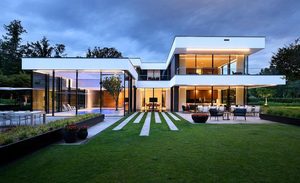
Modern living
Redefining the Way We Live in Today’s Homes
A New Perspective on Modern Living:
Modern lifestyle is more than owning a beautiful house or living in a luxurious apartment. It is about creating a comfortable, convenient, and inspiring environment that reflects your personality, supports your daily routine, and improves your overall quality of life. Today’s homebuyers are looking beyond four walls. They want thoughtfully designed spaces, peaceful surroundings, smart technology, sustainable features, and communities that make everyday living more enjoyable.
At Nestora, we believe that finding the right property is the beginning of a better lifestyle. Whether you dream of a contemporary villa, a stylish apartment, or a spacious family home, the right living space can bring together comfort, functionality, elegance, and a sense of belonging.
As lifestyles continue to evolve, modern homes are becoming more adaptable to the changing needs of individuals and families. From open-plan interiors and natural lighting to home automation and green outdoor spaces, modern living focuses on making every corner of a home meaningful.
1. Contemporary Architecture and Elegant Design
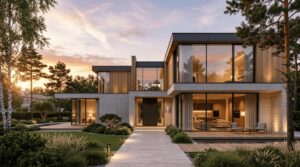
Architecture plays an important role in shaping the modern lifestyle. Contemporary homes combine clean lines, balanced proportions, functional layouts, and attractive finishes to create spaces that feel both sophisticated and welcoming.
Large windows, spacious balconies, open terraces, and thoughtfully designed entrances help create a connection between indoor and outdoor living. Neutral colour palettes, natural textures, and carefully selected materials add a timeless quality to the home.
Modern architecture also prioritises practicality. Instead of focusing only on appearance, designers consider how people move through their homes, how rooms connect, and how each area can serve multiple purposes.
Lifestyle benefit: A well-designed home offers visual appeal, comfortable movement, and a practical environment for everyday activities.
2. Open Spaces and Comfortable Interiors
A modern home should feel open, bright, and inviting. Open-plan living areas that connect the living room, dining space, and kitchen create a natural flow throughout the home. This layout makes it easier for families to spend time together while allowing homeowners to entertain guests comfortably.
Comfortable furniture, organised storage, soft lighting, and simple decorative elements can transform an ordinary room into a relaxing retreat. Multipurpose furniture and flexible layouts are especially useful for people who want to make the most of their available space.
Bedrooms can be designed as peaceful personal spaces, while living rooms can become welcoming areas for relaxation, entertainment, and family gatherings.
Lifestyle benefit: Functional interiors help reduce clutter, improve the use of available space, and create a more relaxing atmosphere.
3. Smart Homes for a Convenient Lifestyle
Technology has become an important part of modern residential living. Smart-home features allow homeowners to manage selected household functions with greater convenience and control.
Depending on the property and its installed systems, these features may include smart lighting, automated curtains, video doorbells, security cameras, digital door locks, and temperature controls. Some systems can be managed through mobile applications or voice assistants.
Smart technology can also support energy management by helping residents monitor and adjust their electricity usage. However, the benefits depend on the equipment, installation quality, and individual usage habits.
When evaluating a smart home, buyers should consider reliability, data privacy, maintenance requirements, and whether the technology is easy to use.
Lifestyle benefit: Thoughtfully selected technology can simplify daily routines, improve security management, and make home living more convenient.
4. Sustainable Living and Eco-Friendly Homes
Sustainable living is becoming an important consideration for modern homebuyers. Many people now look for properties that use resources efficiently, provide natural ventilation, and incorporate environmentally conscious design choices.
Features such as energy-efficient lighting, rooftop solar panels, rainwater harvesting, water-saving fixtures, and appropriate insulation can help reduce resource consumption. Native plants and landscaped gardens can also support a greener residential environment when maintained responsibly.
Natural daylight is another valuable element. Well-positioned windows and suitable layouts can reduce the need for artificial lighting during the day, while effective ventilation can improve indoor comfort.
When comparing properties, buyers should look beyond marketing claims and ask about the actual sustainability features, installation standards, maintenance costs, and potential long-term savings.
Lifestyle benefit: Eco-conscious design can support a healthier living environment and more responsible use of energy and water.
5. Community Living and Social Connections
A modern lifestyle is not defined by the home alone. The surrounding neighbourhood and residential community also influence everyday experiences.
Well-planned residential communities may offer landscaped gardens, walking paths, children’s play areas, fitness facilities, clubhouses, and shared recreational spaces. These amenities can encourage residents to stay active, meet neighbours, and spend more time outdoors.
For families, access to schools, healthcare facilities, supermarkets, parks, and reliable transport can make daily life easier. Working professionals may prioritise connectivity, nearby offices, public transport, and convenient shopping options.
Before choosing a property, it is worth exploring the neighbourhood at different times of the day and understanding the availability of essential services.
Lifestyle benefit: A suitable community can provide convenience, opportunities for social interaction, and a stronger sense of belonging.
6. Home Offices and Flexible Living Spaces
The growth of remote and hybrid working has changed the way people use their homes. A spare bedroom, study corner, or multipurpose room can now serve as a productive workspace.
A comfortable home office should provide adequate lighting, ventilation, reliable internet connectivity, and sufficient space for essential equipment. Storage solutions and ergonomic furniture can also help create a more organised working environment.
Flexible spaces are equally valuable for students, creative professionals, and families. A room can function as a study area during the day and become a guest room or hobby space when required.
When buying a home, consider whether the layout can adapt to future changes in your work, family, or lifestyle needs.
Lifestyle benefit: Flexible spaces allow homeowners to balance work, personal activities, and family life more comfortably.
7. Outdoor Living and Natural Surroundings
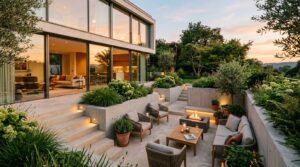
Modern living increasingly recognises the importance of spending time outdoors. A balcony, private garden, terrace, or shared green space can provide a refreshing break from busy routines.
Outdoor areas can be enhanced with comfortable seating, potted plants, subtle lighting, and weather-appropriate furniture. Even a small balcony can become a peaceful place for morning tea, reading, or unwinding after work.
Properties with attractive landscaping and access to green spaces may appeal to buyers who value relaxation and outdoor activities. However, the usability of these spaces depends on privacy, orientation, climate, maintenance, and local conditions.
Lifestyle benefit: Accessible outdoor spaces can encourage relaxation, connection with nature, and a more balanced daily routine.
8. Minimalist Design and Organised Living
Minimalism is an increasingly popular approach to modern interiors. It focuses on keeping what is useful or meaningful while avoiding unnecessary clutter.
Simple furniture, coordinated colours, concealed storage, and purposeful decoration can make rooms feel more spacious and organised. Rather than filling every corner with accessories, minimalist design highlights the quality of materials, natural light, and the function of each space.
Minimalism does not mean that a home must look empty or impersonal. Personal photographs, artwork, plants, books, and meaningful objects can bring warmth and character to a thoughtfully designed interior.
Lifestyle benefit: An organised home can make everyday tasks easier and create a calmer, more comfortable atmosphere.
9. Luxury That Focuses on Everyday Comfort
Luxury in modern real estate is no longer limited to expensive finishes or impressive exteriors. It can also mean privacy, convenience, thoughtful planning, reliable security, and spaces that support everyday well-being.
Features such as spacious bedrooms, well-designed kitchens, quality bathroom fittings, efficient storage, peaceful surroundings, and functional common areas can make a meaningful difference to daily life.
Some premium developments also offer fitness centres, swimming pools, landscaped courtyards, concierge services, or dedicated recreational facilities. Buyers should evaluate whether these amenities match their needs and whether the associated maintenance charges are reasonable.
The most valuable luxury is a home that works well for the people living in it.
Lifestyle benefit: Comfort-focused design can make a property more enjoyable to live in over the long term.
10. Choosing a Home That Matches Your Lifestyle
Every homebuyer has different priorities. Young professionals may prefer compact apartments close to workplaces and transport links, while growing families may need additional bedrooms, study areas, and nearby schools. Buyers seeking privacy may consider independent homes or villas, while people who value shared amenities may prefer a well-managed residential community.
Before making a decision, consider the following factors:
-
Location and connectivity: Evaluate commute times, road access, public transport, and nearby essentials.
-
Space and layout: Choose a floor plan that suits your current routine and future needs.
-
Safety and security: Review access controls, lighting, emergency arrangements, and the property’s security systems.
-
Amenities and maintenance: Check which facilities are available and understand recurring charges.
-
Energy and water efficiency: Ask about practical features that may reduce resource consumption.
-
Budget and long-term value: Consider the purchase price, taxes, maintenance, financing costs, and future expenses.
-
Neighbourhood environment: Assess noise levels, cleanliness, green spaces, and access to everyday services.
The right property should not simply look attractive in photographs. It should support your lifestyle, fit your budget, and remain practical as your needs change.
Conclusion: Create a Better Everyday Experience with Nestora
Modern lifestyle is about finding the right balance between design, technology, sustainability, comfort, and community. A thoughtfully chosen home can provide a welcoming place to relax, a productive environment to work, and a comfortable setting in which to build lasting memories.
Whether you are searching for a contemporary apartment, a spacious family residence, or an elegant villa, understanding your lifestyle priorities can help you make a more confident property decision.
At Nestora, our vision is to help you discover spaces that feel right for the way you want to live. Explore property options that align with your preferences, compare the features that matter most, and take the next step towards a home that reflects your aspirations.
Nestora — Find Your Place, Love Your Space.
Your next home is more than a property. It is the beginning of your next chapter.