
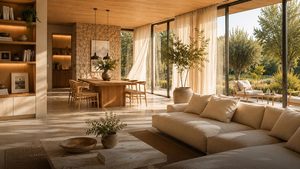
Home Design
Modern Ideas to Create a Beautiful and Comfortable Home
A home is more than just a place to live. It is a personal space where comfort, creativity, functionality, and lifestyle come together. A thoughtfully designed home reflects the personality of its residents while providing an environment that feels welcoming, organised, and relaxing. From elegant living rooms and modern kitchens to peaceful bedrooms and beautiful outdoor spaces, every design detail contributes to the overall experience of living.
Modern home design focuses on creating spaces that look attractive while meeting the practical needs of everyday life. Open layouts, natural lighting, neutral colour palettes, functional furniture, and carefully selected materials are some of the elements that can transform an ordinary property into a beautiful living space.
Whether you are buying your first apartment, planning a new villa, renovating your existing house, or searching for design inspiration, understanding the basics of home design can help you make better decisions.
At Nestora – Find Your Place, Love Your Space, we believe that the right home combines beautiful design with everyday comfort. Discover ideas that can help you create a living space that suits your needs, reflects your style, and supports your future.
1. Understanding Modern Home Design
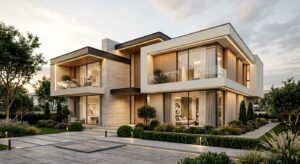
Modern home design is about balancing simplicity, functionality, and visual appeal. Instead of filling every corner with furniture and decoration, modern interiors focus on purposeful layouts, clean lines, comfortable materials, and carefully selected design elements.
A well-designed home should be easy to move around in, provide sufficient storage, allow natural light to enter, and offer privacy where needed. Every room should have a clear purpose while maintaining a consistent design throughout the property.
For example, an open living and dining area can create a spacious atmosphere, while a separate study corner can provide a quiet place to work. Natural wood finishes, soft fabrics, indoor plants, and warm lighting can add personality without making the interior feel crowded.
Modern design does not require an expensive property or luxury furniture. Even a small apartment can look elegant when the available space is used effectively.
Why it matters: A thoughtful design creates a home that looks beautiful, functions efficiently, and feels comfortable for everyday living.
2. Open-Plan Living Spaces
Open-plan layouts are popular in contemporary homes because they connect living, dining, and kitchen areas within a shared space. This arrangement can make a home feel larger, brighter, and more welcoming.
Removing unnecessary visual barriers allows family members to interact more easily and creates a natural flow between different activities. Open layouts can be particularly useful for apartments and compact homes where making the most of every square foot is important.
Furniture can help define separate zones without building walls. A sofa may distinguish the living room from the dining area, while a rug, pendant light, or dining table can establish a clear focal point.
However, open-plan spaces should still provide practical storage, good ventilation, and enough room for movement. Homeowners may also use sliding partitions or decorative screens when they need more privacy.
Design tip: Keep the colour palette consistent across connected areas and use furniture arrangements to create distinct zones.
3. Choosing the Right Colour Palette
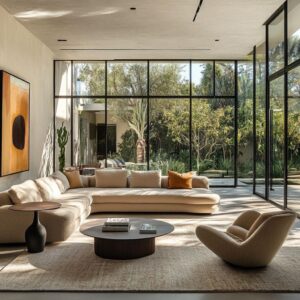
Colours influence how a room looks and feels. Selecting a coordinated palette can create visual harmony and make different areas of a home feel connected.
Neutral colours such as warm white, beige, cream, soft grey, and taupe provide a versatile foundation for modern interiors. These shades work well with wooden furniture, stone finishes, textured fabrics, and natural greenery.
For a more distinctive look, homeowners can introduce accent colours through cushions, artwork, rugs, feature walls, or decorative accessories. Forest green can create a natural atmosphere, navy blue can add depth, and muted terracotta can bring warmth to a living space.
Lighting also affects how colours appear. A paint shade that looks attractive in daylight may appear different under warm artificial lighting, so it is helpful to test samples before making a final decision.
Design tip: Choose two or three main colours and repeat them thoughtfully throughout the home for a coordinated appearance.
4. Living Room Design for Comfort and Style
The living room is often one of the most frequently used areas of a home. It may serve as a place to relax, entertain guests, spend time with family, or enjoy a quiet evening.
A successful living room design begins with a practical furniture layout. The sofa should suit the room’s dimensions, and there should be enough space to move comfortably between seating areas. A coffee table, side tables, and storage units can add convenience without overcrowding the room.
Layered lighting can make the living room more inviting. Ceiling lights provide general illumination, floor lamps create softer corners, and table lamps can highlight reading or relaxation areas.
Decorative elements such as framed artwork, indoor plants, textured cushions, and curtains can add character. Instead of displaying too many accessories, select a few meaningful pieces that complement the overall design.
Design tip: Create one main focal point, such as a statement sofa, artwork, or carefully designed media wall, and arrange the remaining furniture around it.
5. Modern Kitchen Design and Functionality
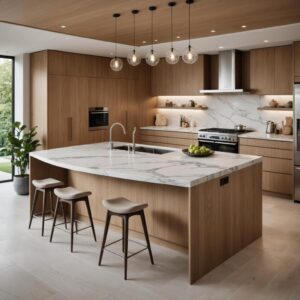
A modern kitchen should combine visual appeal with efficient organisation. Since cooking, food preparation, cleaning, and storage all happen in this space, the layout should support a smooth daily routine.
The placement of the refrigerator, sink, cooking area, and preparation counter should minimise unnecessary movement. In larger kitchens, an island can provide extra workspace, storage, and informal seating. In smaller kitchens, wall-mounted shelves, pull-out organisers, and well-planned cabinets can maximise available space.
Cabinet colours such as white, beige, wood, charcoal, and muted green can complement a modern interior. Durable countertops, easy-to-clean backsplashes, and energy-efficient appliances can improve long-term practicality.
Good task lighting is important around work surfaces, while natural ventilation or a suitable kitchen exhaust system helps manage cooking fumes and moisture.
Design tip: Prioritise storage, durable finishes, and easy movement before adding decorative details.
6. Bedroom Design for Relaxation
The bedroom should feel calm, private, and comfortable. A balanced bedroom design uses soothing colours, practical furniture, soft lighting, and a layout that supports rest.
Neutral shades, muted greens, dusty blues, and warm earthy tones can create a peaceful atmosphere. Comfortable bedding, layered curtains, bedside tables, and a well-positioned bed can make the room feel complete without requiring excessive decoration.
Storage is also essential. Built-in wardrobes, under-bed storage, and organised drawers can reduce clutter and help maintain a clean appearance.
Lighting should suit different activities. Bedside lamps are useful for reading, while dimmable lighting can create a softer atmosphere in the evening. Blackout curtains may be helpful for people who prefer a darker sleeping environment.
Design tip: Keep frequently used items accessible, reduce unnecessary clutter, and choose a layout that leaves enough space around the bed.
7. Bathroom Design with a Modern Touch
A well-designed bathroom should be practical, easy to maintain, and visually consistent with the rest of the home. Even a compact bathroom can feel elegant with suitable lighting, coordinated finishes, and smart storage.
Large mirrors can help reflect light, while wall-mounted cabinets and shelves make use of vertical space. Neutral tiles, stone-inspired finishes, simple fittings, and glass shower partitions can create a clean and contemporary appearance.
Good ventilation is essential for managing moisture and reducing the risk of mould. Slip-resistant flooring, appropriate waterproofing, and correctly installed plumbing should take priority over decorative features.
Water-saving taps and showerheads can also support more efficient water use without sacrificing everyday convenience.
Design tip: Combine attractive finishes with safe flooring, reliable waterproofing, effective ventilation, and accessible storage.
8. Natural Lighting and Ventilation
Natural light can make a home feel brighter, more open, and more welcoming. Windows, balconies, skylights where suitable, and glass doors can bring daylight into living areas and help connect indoor spaces with the outdoors.
Mirrors and light-coloured wall finishes can help distribute available daylight throughout a room. Avoid placing large furniture pieces where they unnecessarily block windows or important circulation paths.
Ventilation is equally important. Window placement and openings that support cross-ventilation can improve airflow when outdoor conditions are suitable. In hot climates, including many areas of India, shading, curtains, roof insulation, and well-planned window orientation can help reduce heat entering the home.
Natural ventilation should be balanced with outdoor air quality, noise, humidity, and security requirements.
Design tip: Plan window coverings, furniture placement, and shading together to make the best use of daylight while keeping rooms comfortable.
9. Smart Storage Solutions for an Organised Home
Good storage is an important part of home design because it helps maintain a clean, spacious, and functional environment. When everyday belongings have designated places, rooms can remain organised without sacrificing style.
Built-in wardrobes, modular kitchen cabinets, under-stair storage, wall-mounted shelves, and multifunctional furniture can help make efficient use of available space. Beds with storage compartments and extendable dining tables may be especially useful in compact apartments.
In smaller homes, vertical storage can free up floor space. Closed cabinets can hide everyday items, while open shelving can display books, plants, or decorative objects.
Storage should be planned according to the needs of the household. Families may require more concealed storage, while people who work from home may benefit from dedicated office cabinets and organised cable management.
Design tip: Plan storage before purchasing furniture so that every room has enough space for the items used regularly.
10. Indoor Plants and Nature-Inspired Interiors
Bringing nature indoors can add colour, texture, and warmth to a modern home. Indoor plants, natural wood, stone textures, woven fabrics, and earthy colours can help create an atmosphere that feels connected to the outdoors.
Plants can be placed near suitable windows, in living room corners, on balconies, or on shelves where lighting and maintenance conditions are appropriate. Choose varieties that suit the available daylight, household routines, and local climate.
Nature-inspired design does not mean filling every room with greenery. A few carefully positioned plants, wooden furniture, and natural-textured accessories can create a balanced look.
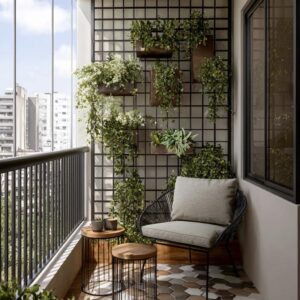
For homes with limited outdoor space, balcony gardens and small indoor planting arrangements can offer an attractive way to introduce greenery.
Design tip: Combine natural materials and a small number of suitable plants with simple furniture to create a fresh, relaxed atmosphere.
11. Outdoor Spaces, Balconies, and Gardens
Outdoor spaces can extend the living experience beyond the walls of a home. A balcony, terrace, patio, or garden can become a place for morning coffee, reading, gardening, or spending time with family.
In a small apartment, compact seating, foldable furniture, railing planters, and vertical gardens can make a balcony more useful. Larger homes may accommodate outdoor dining areas, shaded seating, landscaped gardens, or a dedicated play space.
Choose outdoor furniture that suits the local weather and is easy to maintain. Shade structures and appropriate planting can help improve comfort, especially in warmer months.
Drainage, waterproofing, structural safety, and building rules should be considered before making significant changes to balconies or terraces.
Design tip: Design outdoor areas around how you plan to use them, whether for relaxation, entertaining, gardening, or family activities.
12. Sustainable and Energy-Efficient Home Design
A beautiful home can also be designed to use resources responsibly. Sustainable design focuses on energy efficiency, water conservation, durable materials, and reducing unnecessary waste.
LED lighting, efficient appliances, appropriate insulation, water-saving fixtures, and well-planned natural lighting can help reduce resource consumption. Depending on the property, location, and budget, homeowners may also consider solar energy, rainwater harvesting, and climate-appropriate landscaping.
Durable flooring, long-lasting furniture, and materials that are easy to maintain may reduce the need for frequent replacements. Choosing quality items for important areas can be more practical than following short-lived design trends.
Sustainability should be evaluated through real performance and maintenance requirements rather than appearance alone.
Design tip: Prioritise improvements that suit your climate, household needs, and budget before investing in decorative upgrades.
13. Minimalist Design and Decluttered Spaces
Minimalist design focuses on simplicity, functionality, and intentional choices. Rather than filling a room with numerous decorations, it highlights a few useful and visually appealing elements.
A minimalist home may include clean furniture lines, a limited colour palette, concealed storage, uncluttered surfaces, and carefully selected artwork. This approach can make smaller rooms feel more open and help residents maintain an organised environment.
Minimalism does not require a completely empty home or the removal of personal belongings. The goal is to keep the items that are useful or meaningful while arranging them thoughtfully.
Textures can add interest to a simple interior. Soft rugs, linen curtains, wooden furniture, and subtle wall finishes can prevent neutral spaces from feeling plain.
Design tip: Focus on quality, useful furniture, and a clear layout instead of adding more accessories to fill empty spaces.
14. Personalising Your Home with Unique Details
A well-designed home should reflect the people who live in it. Personal touches help transform a stylish interior into a space that feels individual and meaningful.
Family photographs, artwork, books, travel souvenirs, handmade decorations, and cherished objects can add personality to different rooms. A statement light fixture, patterned rug, colourful accent chair, or distinctive headboard can also create visual interest.
The key is to maintain a balance between personal expression and the overall design. Repeating selected colours, materials, or finishes can help different rooms feel connected even when each space has its own character.
Homeowners should also consider changing needs over time. Flexible furniture, adaptable work areas, and practical storage can help a home continue to suit its residents as their lifestyles evolve.
Design tip: Select meaningful pieces that reflect your personality and display them in a way that complements the room.
15. Home Design Ideas for Small Spaces
Small homes can be stylish, comfortable, and highly functional when every area is planned carefully. The goal is to make the most of the available space without making rooms feel crowded.
Light colours, mirrors, compact furniture, sliding doors, and vertical storage can help create a sense of openness. Furniture with multiple uses, such as a sofa bed or extendable table, can provide flexibility when space is limited.
A consistent colour scheme can help connected rooms feel larger and more cohesive. Keeping walkways clear and avoiding oversized furniture can improve movement and comfort.
Where possible, use natural light effectively and select window coverings that provide privacy without making the room feel heavy. Before buying furniture, measure the room and consider door openings, storage needs, and walking space.
Design tip: Measure first, prioritise essential furniture, and choose pieces that offer both functionality and visual simplicity.
16. Choosing the Right Home Design for Your Lifestyle
The best home design is not necessarily the most expensive or fashionable one. It is the design that works for the people who live there.
Families may prioritise safe circulation, durable finishes, storage, and shared living areas. Professionals working from home may need a quiet workspace, reliable lighting, and good internet connectivity. Older residents may benefit from accessible layouts, adequate lighting, and fewer unnecessary steps.
Property size, local climate, maintenance needs, budget, and future plans should all influence design decisions. A large house with complicated upkeep may not be the best choice for someone seeking a low-maintenance lifestyle, while a compact apartment may not suit a household that needs several private work or study areas.
Before purchasing or renovating a property, list your essential requirements and distinguish them from features that would simply be nice to have.
Design tip: Start with your lifestyle and daily routine, then choose a layout, materials, and furnishings that support them.
Conclusion: Create a Home That Reflects Your Lifestyle
Home design is about more than choosing colours, furniture, and decorations. It is about creating a space that supports your daily routine, reflects your personality, and provides lasting comfort. From open-plan living areas and organised storage to natural lighting, sustainable materials, and relaxing bedrooms, every design choice can contribute to a better living experience.
Whether you prefer a contemporary apartment, a spacious villa, or a cosy family home, thoughtful planning can help you make the most of your property. Focus on functionality, comfort, quality, and personal style to create a space that remains attractive and useful over time.
At Nestora – Find Your Place, Love Your Space, we believe that finding the right property is the first step toward creating a home you truly love. Explore properties that match your lifestyle, discover new possibilities, and turn your vision of a beautiful home into reality.
Your dream home begins with the right choice. Find your place with Nestora.