Sustainable Living
Creating Eco-Friendly Homes for a Better Future
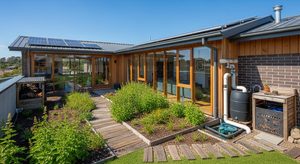
Sustainable living is becoming an important part of modern life as more people look for ways to protect the environment while enjoying comfortable and stylish homes. From energy-efficient designs and natural materials to water conservation and green outdoor spaces, sustainable living encourages homeowners to make thoughtful choices that benefit both their families and the planet.
A sustainable home is not simply a house with plants or solar panels. It is a living space designed to use resources wisely, reduce unnecessary waste, improve indoor comfort, and support a healthier lifestyle. Whether you are purchasing your first property, building a new house, or upgrading your current home, sustainable features can help create a more responsible and future-ready living environment.
At Nestora – Find Your Place, Love Your Space, we believe that a great home should offer more than beauty and comfort. It should also support a better way of living.
1. What Is Sustainable Living?
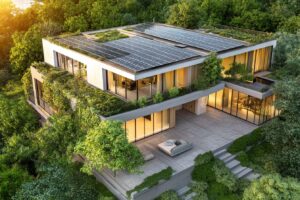
Sustainable living means making everyday choices that reduce environmental impact while maintaining a comfortable and practical lifestyle. In real estate, it involves designing, building, and maintaining homes that use energy, water, and other natural resources efficiently.
A sustainable property may include energy-efficient lighting, improved insulation, water-saving fixtures, natural ventilation, renewable energy systems, and responsibly selected building materials. These features can help reduce resource consumption while creating a welcoming and functional living space.
Sustainability also extends beyond the building itself. Access to public transportation, nearby parks, walkable streets, and community facilities can make it easier for residents to adopt environmentally responsible habits.
Why it matters: Sustainable living combines everyday comfort with thoughtful resource use, helping homeowners create spaces that are practical today and better prepared for tomorrow.
2. Energy-Efficient Homes for Smarter Living
Energy efficiency is one of the most important elements of a sustainable home. A well-designed property can make better use of natural light, reduce unnecessary electricity consumption, and maintain comfortable indoor temperatures.
Large, appropriately positioned windows can bring daylight into living areas, reducing the need for artificial lighting during the day. Insulated roofs and walls, energy-efficient appliances, LED lighting, and well-sealed doors can also help reduce energy waste.
Homeowners may consider solar panels where the roof, budget, and local conditions are suitable. Before installing a renewable energy system, it is important to evaluate the property’s energy requirements and installation costs.
Benefits: An energy-efficient home can improve everyday comfort, reduce avoidable energy use, and potentially lower electricity bills depending on the property and household habits.
3. Water Conservation and Responsible Water Use
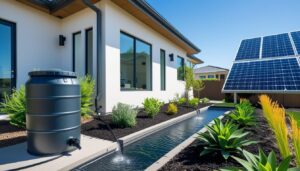
Water conservation is another essential part of sustainable living. A thoughtfully designed home can reduce water waste through simple improvements that do not compromise everyday convenience.
Low-flow taps and showers, dual-flush toilets, and efficient plumbing fixtures can help households use less water. Rainwater harvesting systems can collect rainwater for suitable non-drinking purposes, subject to local requirements and proper maintenance.
Homeowners can also consider drought-tolerant plants, drip irrigation, and watering gardens during cooler hours. Regularly checking taps, pipes, and toilets for leaks can prevent unnecessary water loss.
In areas where water availability varies seasonally, water-conscious design can be particularly valuable. Buyers should check whether rainwater harvesting, storage, and drainage systems are suitable for the property and comply with local regulations.
Benefits: Water-efficient features support responsible water use, help reduce wastage, and can make a home better prepared for periods of limited supply.
4. Eco-Friendly Building Materials and Natural Finishes
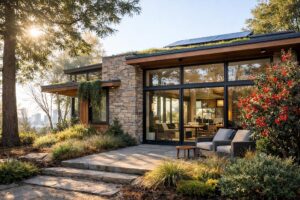
The materials used to build and decorate a home influence its appearance, durability, maintenance requirements, and environmental footprint. Choosing materials carefully is an important step toward sustainable design.
Depending on local availability and building requirements, homeowners may explore responsibly sourced timber, recycled materials, durable stone, bamboo products, low-emission paints, and materials made with recycled content. Locally sourced products may also reduce transportation needs, although their overall environmental impact depends on how they are produced and transported.
Natural textures can create an elegant interior without excessive decoration. Wooden accents, stone finishes, earthy colours, and simple furniture can make a space feel warm, timeless, and connected to nature.
Durability is equally important. Materials that last longer and are easier to maintain may reduce the need for frequent replacements and renovations.
Benefits: Thoughtful material choices can create attractive interiors while supporting durability, responsible sourcing, and reduced waste.
5. Natural Lighting and Ventilation
A sustainable home should make the most of its surroundings. Natural light and ventilation can improve the indoor environment while reducing reliance on artificial lighting and mechanical cooling when conditions allow.
Windows positioned to suit the local climate, shaded balconies, ventilated corridors, and thoughtfully designed openings can help bring daylight and fresh air into the home. Cross-ventilation, where air enters through one opening and exits through another, can improve airflow in suitable layouts.
In warmer climates, including many parts of India, shading is especially important. Overhangs, external screens, trees, and carefully placed curtains can reduce direct solar heat entering the home. Good insulation and efficient fans or air-conditioning may still be necessary during hot or humid weather.
Natural ventilation should also be balanced with outdoor air quality, humidity, noise, and security needs.
Benefits: Climate-conscious design can create brighter, more comfortable interiors and help manage energy use throughout the year.
6. Green Spaces, Gardens, and Balcony Plants

Green spaces can make a home feel more peaceful and inviting. Plants also help residents connect with nature, create attractive outdoor areas, and support local biodiversity when suitable species are chosen.
A sustainable property may feature a landscaped garden, a small kitchen garden, balcony planters, native plants, or a shaded outdoor seating area. Even a compact apartment can incorporate greenery through container gardening and vertical plant arrangements.
Native and climate-appropriate plants are often easier to maintain because they are suited to local growing conditions. Grouping plants according to their water needs and using mulch can help reduce unnecessary watering.
For larger properties, homeowners may consider shade trees, permeable pathways, and gardens that allow rainwater to soak into the ground where suitable.
Benefits: Green spaces can enhance the appearance of a property, support relaxation, and encourage a closer connection with the natural environment.
7. Waste Reduction and Recycling at Home
Sustainable living also involves managing household waste responsibly. Small changes to daily routines can help reduce the amount of material sent to landfills.
Homeowners can create separate containers for recyclable materials, wet waste, and general waste according to local collection guidelines. Kitchen scraps may be suitable for composting if the household has an appropriate space and follows safe composting practices.
Choosing reusable storage containers, avoiding unnecessary packaging, repairing items, and donating usable furniture can also reduce waste. During renovations, homeowners should plan how construction debris, old fittings, and unwanted materials will be handled.
A well-organised kitchen, utility area, or balcony can provide space for waste sorting without making the home feel cluttered.
Benefits: Better waste management encourages responsible habits, reduces unnecessary disposal, and can keep living spaces more organised.
8. Smart Technology for Sustainable Homes
Modern technology can help homeowners monitor and manage their resource use. Smart thermostats, programmable lighting, energy-monitoring devices, and automated controls can make it easier to avoid unnecessary consumption.
Motion sensors can switch lights off in unoccupied areas, while smart plugs may help control selected appliances. Where available, energy-monitoring systems can show how much electricity different devices use and help residents identify opportunities to save energy.
However, technology alone does not make a property sustainable. Smart devices should be selected according to actual household needs, energy performance, durability, privacy, and long-term costs.
Homeowners should also consider whether devices are compatible with existing systems and whether they can continue functioning if internet connectivity or a particular service becomes unavailable.
Benefits: Appropriate smart technology can make resource management more convenient and help residents understand their everyday energy habits.
9. Sustainable Living in Apartments and Gated Communities
Sustainable living is possible in apartments as well as independent houses. Residents do not need a large garden or rooftop solar system to make responsible choices.
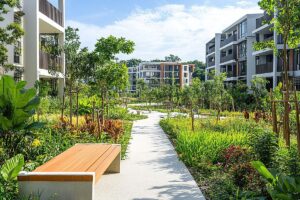
Apartment owners can use energy-efficient lighting, water-saving fixtures, indoor plants, reusable products, and waste-separation systems. Shared facilities such as bicycle parking, landscaped common areas, efficient lighting, and rainwater management can also contribute to a more sustainable residential environment.
When evaluating a gated community or apartment complex, buyers can ask about water management, waste collection, common-area electricity use, green spaces, ventilation, and any renewable energy systems. It is useful to verify which features are operational and how they are maintained.
Community participation also matters. Residents who follow recycling guidelines, avoid water wastage, and care for shared gardens can help create a cleaner and more pleasant neighbourhood.
Benefits: Sustainable choices at both household and community levels can support responsible resource use and improve the overall residential experience.
10. Sustainable Homes and Long-Term Property Value
Sustainable features may contribute to a property’s appeal by supporting comfort, efficiency, and modern buyer expectations. Features such as good insulation, natural lighting, efficient fixtures, durable materials, and suitable renewable energy systems can be attractive to people looking for practical long-term housing.
The financial value of these features depends on factors such as location, construction quality, installation costs, maintenance, local utility prices, and buyer demand. Not every eco-friendly upgrade will automatically increase a property’s resale price.
For buyers, it is helpful to compare the upfront cost of a feature with its expected maintenance requirements and potential savings. For sellers, providing clear information about installed systems, warranties, energy performance, and maintenance records can help buyers understand the property’s benefits.
A sustainable property should be evaluated as a complete home, considering its location, structure, layout, condition, and suitability for the people who will live there.
Benefits: Well-planned sustainable features can strengthen a home’s practical appeal while supporting more informed long-term property decisions.
11. How to Make Your Existing Home More Sustainable
You do not need to build a new house to begin living sustainably. Many improvements can be introduced gradually, depending on your budget, property type, and priorities.
Start by replacing frequently used bulbs with LEDs, fixing leaking taps, switching off unused appliances, and using daylight whenever possible. Choose efficient appliances when replacements are needed, and maintain air-conditioning units and fans so they operate properly.
You can also improve window shading, use curtains suited to the local climate, add suitable plants, and reduce disposable products. If you own the property, consider professional advice before making structural changes, installing solar panels, or modifying plumbing and electrical systems.
A useful approach is to identify the changes that address your home’s biggest sources of energy or water waste first. Track your consumption over time to understand whether the improvements are making a difference.
Benefits: Gradual improvements make sustainable living more manageable and allow homeowners to prioritise changes that fit their budgets and everyday needs.
12. What to Look for When Buying a Sustainable Property
If you are planning to purchase an eco-friendly home, look beyond marketing descriptions and decorative greenery. Focus on the features that influence the property’s actual performance and maintenance.
Consider the following points:
-
Energy efficiency: Ask about insulation, lighting, appliance efficiency, and any available energy-performance information.
-
Water management: Check water-saving fixtures, rainwater harvesting, drainage, and storage arrangements.
-
Natural light and ventilation: Evaluate window placement, airflow, shading, and indoor comfort at different times of day.
-
Construction materials: Ask about durability, maintenance requirements, and relevant material certifications where available.
-
Renewable energy: Confirm whether solar panels or other systems are installed, operational, and properly maintained.
-
Waste management: Find out how household waste and recyclable materials are collected and handled.
-
Green surroundings: Consider gardens, tree cover, open spaces, and access to parks.
-
Location and transport: Review access to essential services, public transport, and walkable neighbourhood facilities.
-
Maintenance costs: Understand the upkeep required for solar equipment, water systems, gardens, and smart devices.
-
Documentation: Verify building approvals, property documents, warranties, and any sustainability certifications claimed by the seller.
A property that suits your climate, lifestyle, and budget is often a more practical choice than one that simply advertises a long list of green features.
Conclusion: Build a Better Future with Sustainable Living
Sustainable living is about creating homes that balance comfort, design, efficiency, and environmental responsibility. From natural lighting and water conservation to durable materials, green spaces, and smart technology, every thoughtful improvement can contribute to a more responsible way of living.
Whether you are searching for a modern apartment, a spacious villa, or a family home in a welcoming community, sustainability is worth considering as part of your property decision. By focusing on practical features, long-term maintenance, and your household’s actual needs, you can choose a home that supports both your lifestyle and your future plans.
At Nestora – Find Your Place, Love Your Space, we believe the right home should reflect your values as well as your aspirations. Explore your options, discover spaces that match your lifestyle, and take the next step toward a more comfortable and sustainable future.
Find a home that feels right for you—with Nestora.